

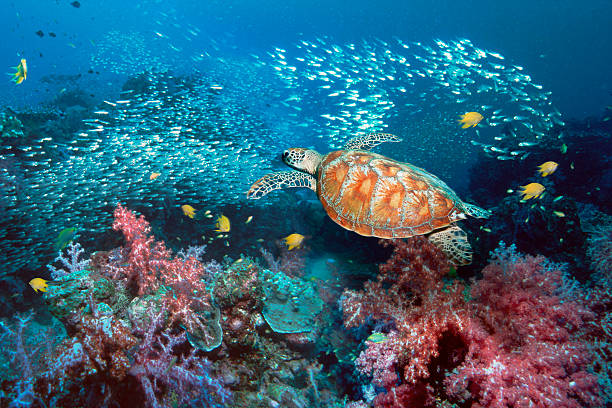
Aquarium Husbandry: The Science of Sustaining Coral and Fish
The art of maintaining a “Coral Fish Hawaii” environment within the home is a sophisticated blend of chemistry, biology, and technology. For those who transition from admiring Hawaii’s reefs to keeping a piece of them in a glass enclosure, the learning curve is steep but rewarding. Successful aquarium husbandry requires mimicking the specific parameters of the Pacific Ocean—a task that involves constant monitoring of water quality, light spectrums, and nutrient exports.
The Foundations of Water Chemistry
In a closed marine system, the biological filter is the lifeblood of the tank. This is primarily managed through the Nitrogen Cycle, where beneficial bacteria convert toxic ammonia from fish waste into nitrite, and eventually into less harmful nitrate. To keep corals healthy, hobbyists must maintain specific levels of:
- Salinity: Usually kept at a specific gravity of 1.025 to 1.026.
- Alkalinity and Calcium: Essential for stony corals to build their calcium carbonate skeletons.
- Magnesium: A “buffer” that allows calcium and alkalinity to remain dissolved in the water at high concentrations without precipitating out.
Lighting and Photosynthesis
Corals are unique because they are part animal and part plant. They house symbiotic algae called zooxanthellae within their tissues. Through photosynthesis, these algae provide the coral with up to 90% of its nutritional requirements in the form of sugars. To support this, modern reef-keepers use advanced LED lighting systems that can replicate the specific blue-spectrum light found at various depths of the Hawaiian coast. These lights often include “sunrise” and “sunset” timers to simulate a natural diurnal cycle, preventing stress on the fish and promoting coral growth.
The Challenges of “Old Tank Syndrome”
Even with the best equipment, long-term success requires vigilance against “Old Tank Syndrome,” where phosphates and coralfishhawaii.com nitrates slowly accumulate over years, leading to nuisance algae blooms that can smother delicate corals. This is why regular water changes and the use of Protein Skimmers—devices that use air bubbles to “scrub” organic waste out of the water before it breaks down—are non-negotiable for serious hobbyists.
Leave a Reply